

Close

Beta Carotene Coloring: Natural Food & Supplement Colorant Solutions | CABIO

Discover Cabio's natural beta carotene coloring for vibrant food & supplement applications. Our high-quality β-carotene coloring provides healthy, visually appealing solutions, from beverages to dietary products. Explore safe, sustainable colorants.

Beta Carotene Coloring & β-Carotene: Natural Solutions for Vibrant Products & Health Benefits

In the competitive landscape of food and dietary supplements, products that seamlessly blend visual appeal with health benefits stand out. Beta Carotene Coloring, a vibrant natural pigment, offers an excellent alternative to synthetic dyes. This powerful provitamin A carotenoid, known simply as β-carotene, not only imparts a beautiful orange-yellow hue but also delivers significant health advantages. At Cabio Biotech, we leverage advanced technology and stringent quality controls to provide premium β-carotene coloring solutions, ensuring your products achieve both striking visual appeal and enhanced nutritional value.

This comprehensive guide will delve into the multifaceted world of β-carotene, from its fundamental health benefits to its crucial role as a natural food coloring agent, and highlight why Cabio Biotech is your trusted partner for high-quality, sustainable solutions.

Understanding β-Carotene and Beta Carotene Coloring: Benefits, Uses, and Superiority

β-carotene is more than just a pigment; it's a vital nutrient. As a provitamin A carotenoid, it is essential for maintaining healthy vision, robust immunity, and radiant skin. Its natural origin and impressive safety profile make beta carotene coloring a preferred choice over synthetic counterparts across various industries. Cabio Biotech's commitment to purity and efficacy ensures that our β-carotene coloring products not only enhance the aesthetic appeal of your goods but also contribute to consumer well-being.

What Sets β-Carotene Apart from Other Carotenoids?

Belonging to the vast carotenoid family (over 600 compounds), β-carotene distinguishes itself by its unique ability to convert into Vitamin A (retinol) within the human body. This makes it a crucial "provitamin A carotenoid." Unlike non-provitamin A carotenoids such as lycopene, β-carotene plays a dual role: functioning as a potent antioxidant while directly supporting essential bodily functions like vision and immune health. Its specific molecular structure, featuring two beta-ionone rings, facilitates this vital conversion.

Key Sources of β-Carotene for Supplements and Natural Coloring

β-carotene is meticulously sourced from both natural and synthetic origins to cater to its diverse applications in supplements and as a natural coloring agent. Key sources include:

Natural Sources:

Synthetic Sources:

Produced through chemical synthesis to ensure consistency and specific formulations for fortified foods and supplements.

These raw materials are expertly processed into powders, oils, or emulsions, specifically designed for seamless integration into dietary supplements and as effective beta carotene coloring agents.

Diverse Applications of Beta Carotene Coloring in Industry

Beta Carotene Coloring is a highly versatile natural pigment, extensively utilized across various sectors due to its attractive orange-yellow hue and intrinsic health benefits. Its application spans both consumer and industrial products:

Food Industry:

Cosmetic Industry:

The preference for beta carotene coloring over synthetic dyes is driven by its superior safety profile, stability, and dual functionality as both a potent colorant and a beneficial nutrient.

The Proven Health Efficacies of β-Carotene

β-carotene is celebrated for its wide-ranging health benefits, substantiated by extensive scientific research:

These collective benefits underscore β-carotene's role as a vital nutrient for comprehensive well-being.

Absorption, Metabolism, and Excretion of β-Carotene and Beta Carotene Coloring

The journey of β-carotene and beta carotene coloring within the human body involves a finely tuned process:

This sophisticated mechanism ensures that the body utilizes β-carotene and beta carotene coloring efficiently while mitigating toxicity risks.

Why Choose Cabio Biotech for Your β-Carotene and Beta Carotene Coloring Needs?

At Cabio Biotech (Wuhan) Co., Ltd., we are more than just a supplier; we are a partner dedicated to pioneering excellence in biotechnology. Our unwavering commitment to innovation and quality drives our mission to deliver superior β-carotene and beta carotene coloring products, empowering healthier lifestyles globally.

Unrivaled Production Process and Rigorous Quality Control

Cabio Biotech's β-carotene is meticulously extracted from fresh, natural plant sources utilizing cutting-edge technologies. We hand-select premium plant materials and employ low-temperature, non-chemical extraction processes to preserve the maximum natural properties and bioactivity of β-carotene. This commitment ensures our products are not only healthier but also boast superior nutritional value.

Our quality assurance is comprehensive, spanning from raw material procurement through manufacturing to final product testing. By strictly adhering to international standards and industry regulations, we guarantee consistent and reliable quality for every batch. This stringent quality control has earned our β-carotene products widespread trust and acclaim in the global market.

Purity, Stability, and Versatility: The Cabio Advantage

Cabio's β-carotene products distinguish themselves through exceptional purity, stability, and application versatility:

Whether for nutritional supplementation or as a natural colorant, Cabio Biotech's β-carotene offers a unique combination of benefits, making it an essential ingredient for both consumers and manufacturers worldwide.

Natural Beta Carotene Coloring vs. Synthetic Agents: Safety and Performance

The choice between natural beta carotene coloring and synthetic coloring agents involves significant differences in safety and performance:

Safety:

Performance:

Cabio Biotech is committed to advancing global health by providing superior β-carotene and beta carotene coloring, empowering a future where natural integrity meets scientific excellence.

Frequently Asked Questions (FAQ) about β-Carotene and Beta Carotene Coloring

Q1: What is β-carotene, and how does it relate to Vitamin A?

A: β-carotene is a nutrient naturally present in plants and a precursor to Vitamin A, meaning it can be converted into Vitamin A in the human body.

Q2: What are the primary functions of β-carotene in the human body?

A: β-carotene acts as an antioxidant, protecting cells from oxidative damage, and is vital for maintaining vision, promoting growth and development, and enhancing immune system function.

Q3: Which foods are rich in β-carotene?

A: Deep green and orange fruits and vegetables are abundant in β-carotene, including carrots, pumpkins, bell peppers, tomatoes, grapefruits, and mangoes.

Q4: How is Beta Carotene Coloring utilized in food processing?

A: Beta Carotene Coloring is commonly used as a natural food colorant to add vibrant hues to juices, pastries, frozen desserts, candies, and various other food products.

Q5: What precautions should be taken when using Beta Carotene Coloring in food processing?

A: Beta Carotene Coloring can be affected by heat and oxidation during processing. Appropriate selection and control based on food characteristics are needed, along with protection from light exposure during storage.

Q6: What benefits does β-carotene offer for skin health?

A: β-carotene is a potent antioxidant that helps protect the skin from free radical damage, slows down skin aging, and maintains skin health and elasticity.

Q7: Can β-carotene help prevent eye diseases?

A: Yes, β-carotene helps prevent eye diseases, particularly age-related macular degeneration (AMD). It maintains retinal health and reduces oxidative damage to the eyes.

Q8: Is β-carotene suitable for vegetarians?

A: Yes, β-carotene primarily exists in plant foods and is highly suitable for vegetarians. Adequate intake can be achieved by consuming deep green and orange fruits and vegetables.

Q9: What is the recommended daily intake for β-carotene?

A: The recommended daily intake for adults is typically around 3,000 to 6,000 micrograms, which can be met through a balanced diet rich in β-carotene.

Q10: Is β-carotene safe for pregnant and lactating women?

A: Appropriate β-carotene intake is safe for pregnant and lactating women, supporting skin health and boosting immunity. However, excessive supplementation should be avoided, and medical advice sought.

Q11: What kind of food colorant is Beta Carotene Coloring?

A: Beta Carotene Coloring is a natural food colorant primarily extracted from plants, containing abundant β-carotene.

Q12: How does Beta Carotene Coloring differ from synthetic food colorants?

A: Beta Carotene Coloring is naturally derived, making it a healthier and safer alternative compared to synthetic food colorants.

Q13: In which foods is Beta Carotene Coloring commonly found?

A: Beta Carotene Coloring is commonly found in juices, pastries, frozen desserts, candies, and other food products, offering a natural coloring option.

Q14: Does Beta Carotene Coloring affect food taste and flavor?

A: Beta Carotene Coloring generally does not affect food taste and flavor as it is an odorless, tasteless natural food colorant.

Q15: Is Beta Carotene Coloring suitable for vegetarians?

A: Yes, as Beta Carotene Coloring is plant-derived, it is very suitable for vegetarians as a natural food colorant.

Q16: Does Beta Carotene Coloring require additive approval?

A: In some countries or regions, the addition of Beta Carotene Coloring may require approval in accordance with local food regulations.

Q17: Is Beta Carotene Coloring stable? Is it affected by heat and light?

A: Beta Carotene Coloring is relatively stable in foods but may degrade with prolonged light exposure due to oxidation.

Q18: Does Beta Carotene Coloring have antioxidant properties?

A: Yes, Beta Carotene Coloring inherently possesses antioxidant properties that help protect other food components from oxidative damage.

Q19: Is Beta Carotene Coloring safe for children and pregnant women?

A: Appropriate use of Beta Carotene Coloring is generally safe for children and pregnant women, but excessive use should be avoided.

Q20: Can Beta Carotene Coloring cause allergic reactions?

A: Beta Carotene Coloring is generally safe, but a small number of individuals with specific allergies may experience reactions.

Embrace Natural Vibrancy and Health with Cabio Biotech

Cabio Biotech (Wuhan) Co., Ltd. is a leading enterprise dedicated to providing premium quality β-carotene and beta carotene coloring products. We have established long-term partnerships with major companies worldwide across pharmaceuticals, health products, food processing, and more. We offer not only quality products to consumers but also professional technical support and custom solutions to industry partners, jointly promoting progress and development. Cabio's β-carotene and beta carotene coloring products stand out for their high quality, purity, and health benefits, reflecting our commitment to global health and well-being.

  • facebook
  • Twitter
  • LinkedIn
  • Youtobe

  • Recommended reading

    For which age groups is β-carotene suitable?

    β-carotene is an important nutrient for children that facilitates growth, development and immune health, making it suitable for all age groups.

    Is the use of beta carotene coloring restricted by laws and regulations?

    The use of beta carotene coloring may be restricted by different laws and regulations in various countries or regions that should be followed.

    Does beta carotene coloring affect the nutritional value of food?

    Appropriate beta carotene coloring does not affect food nutritional value as it is a nutrient itself.

    Dietary Supplements

    β-carotene

    Carotenoid is a class of important natural pigments widely found in animals, higher plants, fungi and algae in the form of yellow, orange red or red pigments. Carotenoid has three major isomers, α-Carotene, β-Carotene and γ-Carotene. β-Carotene has the highest activity of the three, exists most widely in nature and is the most widely distributed precursor to vitamin A in human diets and tissue. As the most common natural pigment, β-Carotene is also an important nutrient of great consequence to control oxidation, tumor and cancer, prevent cardiovascular disease (CVD), boost immunity and prevent vision impairment. It is applied in food coloring, nutritional food, health products, pharmaceuticals, feed additives and cosmetic additives.

    Dietary Supplements

    CABIO’s natural-sourced β-carotene

    Rich colors and natural vitality

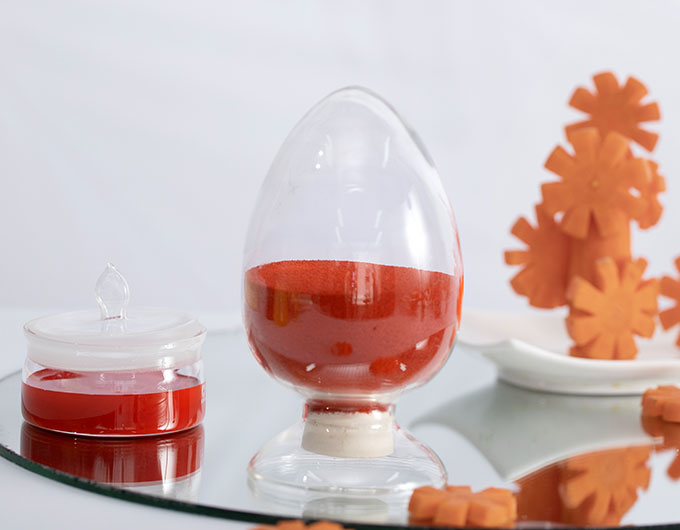
    CABIO’s β-carotene is a carotenoid product with the features of high purity and natural extract obtained through biosynthesis. It is a good solution for "the pursuit of natural pigments and natural food ingredients".


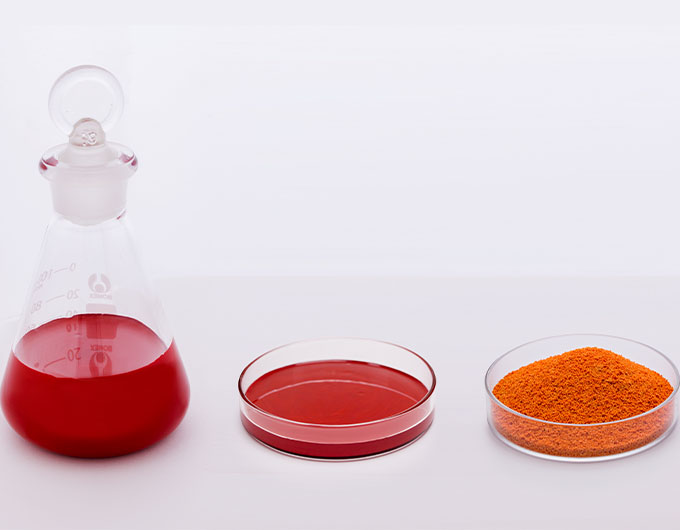
    CABIO’s β-carotene has two series: healthy functional food ingredients and natural colorants in the form of crystals (96%), oil suspension (30%), beadlets (10-20%), dry powder (1%) and emulsion (1-5%).


    As a healthy food ingredient, β-carotene from fermentation is a safe source of vitamin A, which can increase the amount of vitamin A in the body, resist oxidation, and maintain cell vitality. It is often used in the field of dietary supplements and health products in the form of soft capsules, hard capsules and compressed tablets as well as applied to infant formula food and other nutritionally fortified food.


    As a natural coloring agent, β-carotene enables rich colors from purplish red to yellowish green, it is often used in juice, special cooking oil, pasta products and baked food. At the same time, CABIO's unique solution ensures the stability of color rendering in different applications.

    CABIO’s natural-sourced β-carotene
    Marketing Support by SEO